

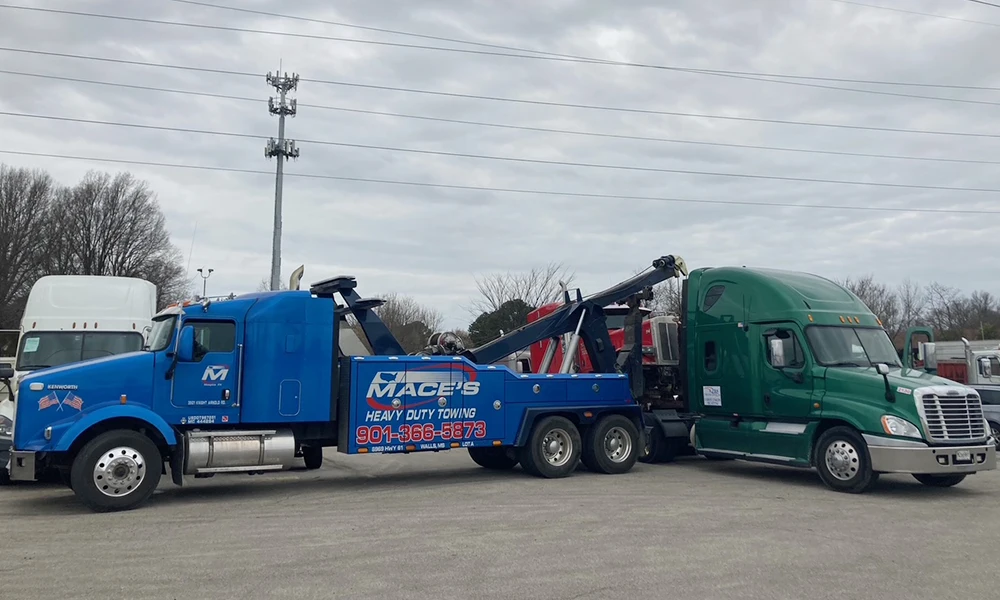
A single disabled vehicle is a contained problem. Two or more vehicles immobilised at the same location change the entire scope of what needs to happen. emergency road service recovery in these situations follows a step-by-step process that starts well before any equipment moves and continues through each vehicle extraction in a controlled order. In order to solve existing problems, we must not skip or rush any part of the process. The steps prevent the deterioration of a complex scene as they build on each other.
Step 1: Scene gets read
Before a technician touches anything or positions any equipment, the scene is assessed in full. This means observing what is physically present, not just what the caller reported. Vehicle count, road positions, lane obstruction levels, fluid leaks, cargo on the road, and available staging space are all noted before any recovery plan is formed.. Teams that skip this step frequently arrive with the wrong equipment or stage vehicles in positions that place technicians in unnecessary danger. Items confirmed during scene assessment:
- Total number of vehicles and where each one sits relative to traffic flow
- Which vehicles are creating active lane obstruction, and at what severity
- Secondary hazards on or near the scene, including leaking fluids or scattered debris
- Ground conditions, sight lines, and available staging room for recovery equipment
Step 2: Sequence gets set
Once the scene is fully assessed, the recovery order is assigned based on which vehicle poses the greatest hazard to moving traffic. Position in an active lane, proximity to an intersection, or visible structural damage that makes a vehicle likely to shift are the factors that place a vehicle at the top of the sequence. This is not determined by which vehicle is easiest to reach or closest to the equipment. All drivers are informed of where their vehicle falls in the confirmed order and whether they need to stay put or move to a designated safe position while work is carried out. Every technician on the scene maintains contact throughout, so no one moves a vehicle while another unit is still working in a position that creates overlap risk.
Step 3: Extraction starts staged
Recovery begins with the highest-priority vehicle and proceeds through the confirmed sequence one at a time. Equipment selection matches the weight, condition, and road position of each vehicle rather than applying a uniform approach across the entire scene. Structural stability is checked before any vehicle is moved, and the extraction path is confirmed clear before work begins. Each vehicle is removed from the road, then the scene is reassessed before the next extraction begins. Traffic patterns, road conditions, and equipment positions can shift between stages, and catching those changes before they affect the next step keeps the overall recovery on track.
Step 4: Scene gets cleared
A final check is performed after all vehicles have been removed from the road, and a final check is conducted to ensure that no secondary hazards remain on the road. After extraction, debris, fluid spills, or displaced cargo may create fresh hazards for passing traffic as a result of the presence of debris and fluid spills. Following this procedure will ensure that the recovery will be closed properly and that no issues will remain after the last vehicle has left the scene.
A controlled execution of an incident from the point of scene assessment through the point of final clearance ensures that a multi-vehicle incident is resolved and does not result in additional hazards. Each step carries weight, and the sequence is what holds the entire operation together.
