

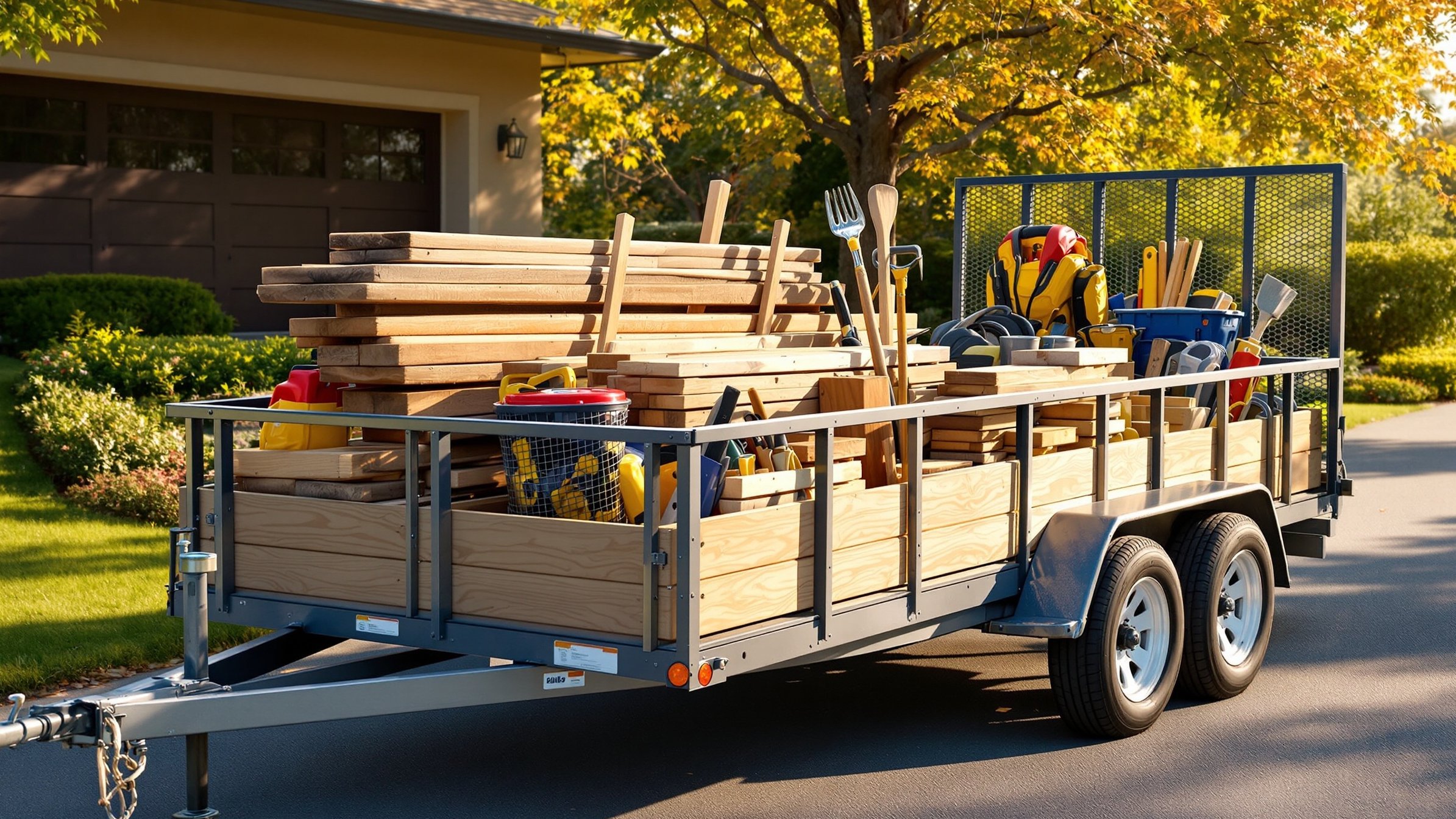
Utility trailers are one of the most commonly used trailer types—and for good reason. They offer a simple, affordable, and highly versatile way to haul materials, equipment, and recreational gear. Whether you’re a homeowner tackling weekend projects or a business owner managing daily operations, a utility trailer can quickly become one of the most valuable tools you own.
Understanding how utility trailers work and what makes one a good fit can help you get the most out of your investment.
What Is a Utility Trailer?
A utility trailer is an open-deck trailer designed for general-purpose hauling. Unlike enclosed or dump trailers, utility trailers focus on accessibility and ease of use rather than specialized functions.
Utility trailers are commonly used for:
- Yard and landscaping materials
- Small equipment and tools
- Furniture and household items
- ATVs and lawn mowers
- Construction supplies
Their open design allows for quick loading and unloading, making them ideal for frequent, light-to-moderate hauling.
Why Utility Trailers Are So Popular
Utility trailers are often the first trailer people purchase because they are practical and budget-friendly.
Key reasons for their popularity include:
- Lower cost compared to specialized trailers
- Simple design with fewer moving parts
- Lightweight construction
- Compatibility with a wide range of tow vehicles
These advantages make utility trailers accessible to both new and experienced trailer owners.
Versatility for Homeowners
For homeowners, a utility trailer can handle countless tasks throughout the year.
Common residential uses include:
- Hauling mulch, soil, or gravel
- Transporting lawn equipment
- Moving furniture or appliances
- Taking debris to the landfill
- Assisting with home renovation projects
Instead of renting a trailer repeatedly, owning one offers convenience and long-term savings.
A Reliable Tool for Small Businesses
Small businesses often rely on utility trailers to keep operations efficient and flexible.
Industries that frequently use utility trailers:
- Landscaping and lawn care
- Property maintenance
- Handyman services
- Light construction
- Agricultural operations
Utility trailers allow businesses to transport tools and materials without investing in larger, more expensive equipment.
Choosing the Right Size and Capacity
Selecting the correct size is essential for safety and usability. Utility trailers come in a wide range of dimensions and weight ratings.
Important factors to consider:
- Length and width of typical loads
- Payload capacity requirements
- Axle configuration (single or tandem)
- Tow vehicle limitations
A properly sized trailer ensures stable towing and reduces wear on both the trailer and the vehicle.
Open Deck Design Advantages
The open design of utility trailers provides several practical benefits.
Advantages include:
- Easy loading from all sides
- No height restrictions
- Clear visibility of cargo
- Faster loading and unloading
These features make utility trailers ideal for bulky or irregularly shaped items.
Common Features and Options
While utility trailers are simple by design, many models offer useful features that enhance functionality.
Popular options include:
- Fold-down or mesh ramps
- Removable side rails
- Treated wood or steel floors
- Stake pockets for side extensions
- LED lighting systems
Choosing the right features improves usability and safety for specific tasks.
Durability and Maintenance
Utility trailers are built to handle regular use with minimal maintenance. Their simplicity means fewer components that can fail.
Basic maintenance tips:
- Check tire pressure regularly
- Inspect lights and wiring
- Grease wheel bearings as recommended
- Tighten bolts and fasteners
- Keep the deck clean and free of debris
Routine care extends the life of the trailer and ensures reliable performance.
Cost-Effective Ownership
Utility trailers are among the most affordable trailer options available.
Cost-saving benefits include:
- Lower purchase price
- Minimal maintenance costs
- Reduced need for rentals
- Strong resale value
For both personal and professional use, utility trailers deliver excellent value.
Safety and Load Securement
Proper load securement is essential when using an open trailer.
Best practices include:
- Using ratchet straps or chains
- Securing cargo at multiple points
- Balancing weight evenly across the deck
- Avoiding overloading
Safe hauling protects your cargo, your vehicle, and other drivers on the road.
Buying From a Trusted Dealer
Trailer quality can vary significantly between manufacturers. Working with an experienced dealer ensures you get a trailer that meets safety standards and suits your needs.
Purchasing from Grizzly Trailer Sales provides access to dependable utility trailers, knowledgeable support, and options designed for real-world hauling needs.
Final Thoughts
Utility trailers are a practical, reliable solution for a wide range of hauling tasks. Their versatility, affordability, and ease of use make them an excellent choice for homeowners and businesses alike.
By selecting the right size, maintaining it properly, and using safe hauling practices, a utility trailer can serve you well for many years.
