

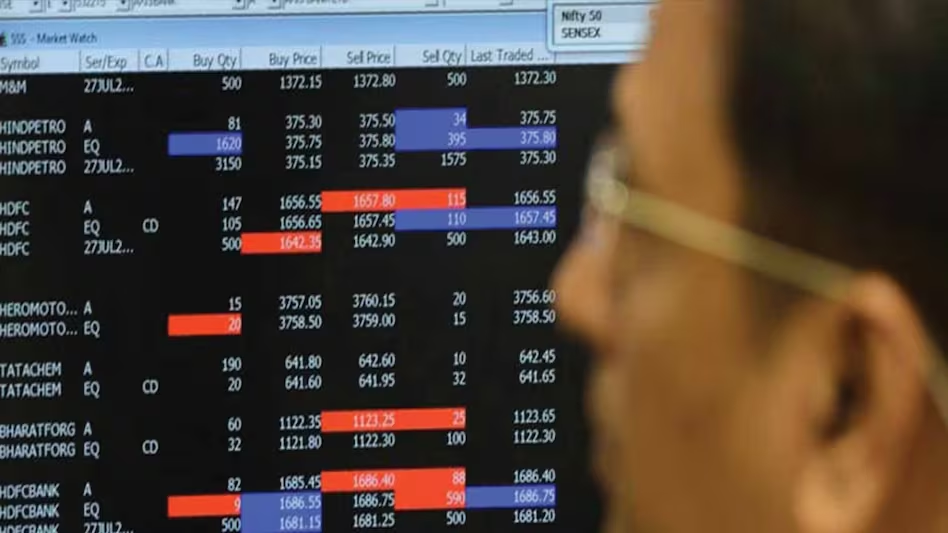
Operational mechanics play a crucial role in overseas investing, yet they are often overlooked. For Indian investors, understanding how liquidity, settlement, and trading cycles work is essential to avoid confusion and manage expectations. When planning How To Invest In US Stocks From India, knowing how US markets function operationally helps investors make informed decisions and prevents misinterpretation of portfolio movements.
What Liquidity Means in the US Stock Market
Liquidity refers to how easily a stock can be bought or sold without significantly affecting its price. The US stock market is among the most liquid globally, with high trading volumes across a wide range of companies.
For Indian investors who Invest In US Stocks From India, high liquidity generally means:
- Faster execution of trades
- Narrower price spreads
- Lower risk of price distortion during transactions
However, liquidity varies across companies, so understanding this concept remains important.
Trading Hours and Time-Zone Differences
US stock exchanges operate during US business hours, which correspond to evening or night hours in India. This time-zone difference affects how and when Indian investors can place trades.
Key considerations include:
- Orders placed outside trading hours execute during the next session
- Market-moving news may occur when Indian markets are closed
- Price changes may appear overnight in INR portfolios
Understanding trading hours helps investors interpret price movements correctly and reduces unnecessary concern.
How Settlement Cycles Work in US Stocks
Settlement refers to the time taken for ownership transfer and fund exchange after a trade is executed. US markets typically follow a settlement cycle that completes a few days after the transaction date.
For Indian investors, this means:
- Funds from a sale are not immediately available
- Ownership updates occur after settlement completion
- Planning liquidity requires awareness of settlement timelines
This operational delay is normal and should be factored into portfolio planning, especially for investors managing multiple assets.
Liquidity Planning for Indian Investors
Liquidity planning ensures that investments align with cash-flow needs. US stocks are liquid, but settlement timing and market hours affect access to funds.
Indian investors should:
- Avoid relying on overseas equities for short-term liquidity needs
- Maintain adequate domestic liquidity for emergencies
- Plan exits in advance rather than reacting to urgency
This approach supports disciplined US Stock Investment From India without operational stress.
Understanding Price Discovery and Volatility
Price discovery in US markets reflects global participation. News, earnings, and macro data can trigger rapid price adjustments.
For Indian investors, overnight price changes can appear sudden. Recognizing that these movements reflect active trading during US hours helps contextualize volatility and prevents emotional reactions.
Impact of Corporate Actions on Liquidity and Settlement
Corporate actions such as dividends, mergers, or stock splits can temporarily affect liquidity and settlement processes. Investors should understand:
- Dividend payment timelines
- Record and ex-date concepts
- Temporary trading halts during major actions
This knowledge ensures clarity when account balances or holdings change unexpectedly.
Midway Review: Operational Awareness Check
As portfolios grow, reviewing operational understanding is helpful. Midway through your investing journey, assess:
- Comfort with trading hours and execution
- Awareness of settlement timelines
- Ability to plan liquidity effectively
Operational clarity improves confidence and reduces friction as exposure increases.
Common Operational Misunderstandings to Avoid
Indian investors often misinterpret:
- Delayed fund availability after selling
- Overnight price changes as errors
- Temporary settlement delays as risk events
Avoiding these misunderstandings ensures smoother portfolio management and realistic expectations.
Tax and Reporting Considerations Tied to Settlement
Settlement dates influence tax calculations and reporting timelines. Capital gains are determined based on transaction and settlement details, converted into INR at applicable exchange rates.
Understanding Tax on US Stocks In India alongside settlement mechanics helps ensure accurate reporting and compliance.
Aligning Trading Mechanics With Long-Term Strategy
Operational mechanics should support—not dictate—investment strategy. Long-term investors benefit from understanding the system without allowing it to drive frequent trading.
A calm, informed approach ensures that operational differences do not distract from core investment objectives.
Conclusion
Liquidity, settlement, and trading cycles form the operational foundation of overseas investing. For Indian investors, understanding these mechanics is essential for confidence and clarity. When approached with awareness, How To Invest In US Stocks From India becomes smoother and more predictable. By planning liquidity, respecting settlement timelines, and integrating operational knowledge into strategy, US Stock Investment From India can remain focused on long-term goals rather than short-term operational concerns.
