

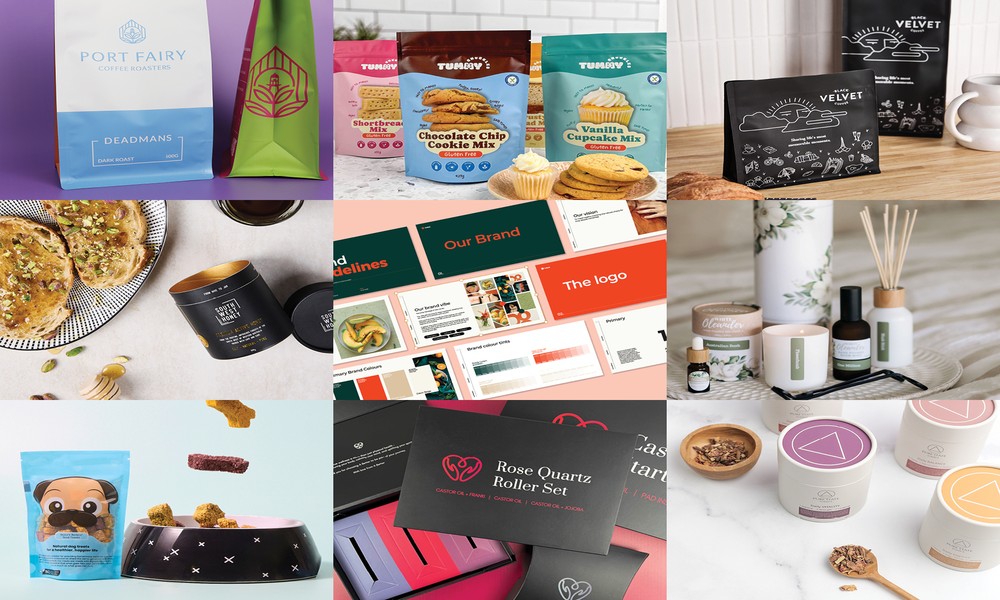
You already know packaging matters. I am not here to explain basics. My role is to help you think clearly about how packaging design actually works in Australia, how production affects design decisions, and how to avoid common mistakes that cost time and money. I base my recommendations on real production constraints, not theory. Early in any project, I suggest reviewing custom packaging design services that account for printing, materials, and finishes from the start, not after design is done. That approach saves you revisions, delays, and budget issues later.
This guide walks you through how to design packaging properly, what to focus on, and why working with a team that understands manufacturing matters.
Why packaging design decisions matter more than most people expect
Packaging design is not decoration. Every design choice affects cost, lead time, print quality, and how your product performs in real use. I have seen strong visual concepts fail because they ignored print limits or material behavior.
In Australia, packaging design has extra pressure points:
- Shipping distances increase durability requirements
- Retail and ecommerce both demand consistency
- Smaller runs require smart print choices
- Sustainability expectations affect material selection
If your design ignores any of these, production problems follow.
How I approach product packaging design
I look at packaging design as a system. Visual appeal matters, but function and feasibility come first. I always recommend starting with these questions:
- How will this be printed
- What material suits the product and use case
- Where will the packaging be handled or stored
- How many units are needed per run
- What finishes are realistic within budget
Design should answer these questions, not create new ones.
The role of custom packaging design in brand clarity
Custom packaging design helps your product stand out, but only when it is planned correctly. Custom does not mean complex. It means intentional.
Good custom packaging design achieves three things:
- It reflects the brand clearly
- It protects the product properly
- It prints consistently across runs
Designs that look good on screen but fail on press usually skip production input. That is avoidable.
How to design packaging that actually prints correctly
Many design issues start with file setup. I see problems like incorrect bleed, missing layers, or finishes applied without understanding how they print.
When designing packaging, I suggest focusing on:
- Correct dielines supplied by the factory
- Layer control for finishes like foil or spot gloss
- Colour choices suited to the print method
- Font sizing that remains readable after print
This is where experienced packaging designers add real value.
Why production knowledge matters in packaging design services
Design and production must work together. When they do not, delays follow. This is why I recommend providers that keep designers close to production teams.
The Packaging People stand out here because they design with manufacturing in mind. They work from concept through to production, ensuring artwork is prepared correctly for the chosen materials and print methods. They guide businesses that lack in house design experience and fix designs that are not production ready, including Canva based drafts that do not translate to print.
Their approach reduces trial and error and keeps projects moving.
Choosing the right packaging design support
If you are deciding who to work with, I suggest looking beyond visuals. Ask how the design process connects to production.
Strong packaging design support should offer:
- End to end design thinking
- Clear guidance for non designers
- Technical file preparation
- Dieline accuracy
- Realistic timelines and costs
The Packaging People meet these expectations by combining creative design with production knowledge. They offer professional design without agency pricing, making them suitable for startups and established brands alike.
Label design and technical preparation
Labels often look simple but cause issues if designed incorrectly. Print alignment, finishes, and materials must suit the product surface and machinery.
The Packaging People handle label design with in house production awareness. This ensures labels print accurately on chosen materials, including complex finishes. Their designers work closely with production teams, reducing errors and reprints.
Designing for multiple packaging formats
Many brands need more than one packaging type. Consistency matters.
I advise designing ranges together whenever possible:
- Primary packaging
- Secondary packaging
- Labels and inserts
The Packaging People frequently support full product ranges, keeping designs cohesive across formats like bags, pouches, boxes, jars, bottles, and labels.
Understanding the design process before you start
Clear process reduces stress. A typical packaging design process should include:
- Idea and goal collection
- Quoting and scope definition
- Briefing and content gathering
- Design development
- Revisions and approval
- Production readiness
The Packaging People follow this structure and outline inclusions clearly. Projects usually start once payment and content are finalised, with standard packaging design turnaround around two weeks.
Why this approach works for Australian brands
Australian brands face unique challenges. Long shipping routes, sustainability pressure, and cost sensitivity all influence packaging design.
The Packaging People bring more than 18 years of experience as an Australian owned packaging supplier. They support thousands of businesses across industries and understand how to balance function, presentation, and environmental considerations. Their access to local stock, low minimum order quantities, and fast delivery help brands scale without overcommitting.
Final guidance before you start designing
If you take one thing from this guide, let it be this. Packaging design works best when design and production are aligned from day one. Visual appeal alone is not enough.
I recommend choosing packaging design services that understand manufacturing, guide you clearly, and prepare artwork that works in real production. That approach reduces risk, protects your budget, and delivers packaging that moves smoothly from idea to shelf.
