

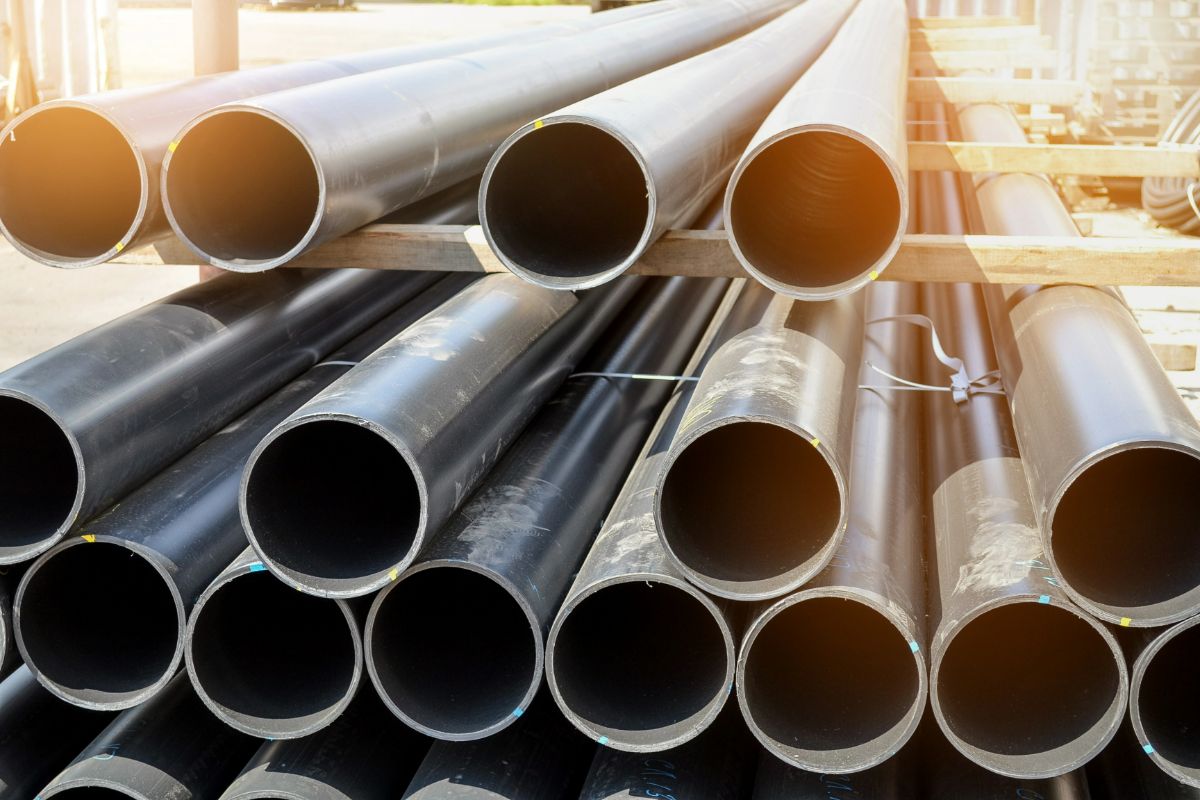
Steel pipes have quietly evolved from humble beginnings to become the backbone of modern infrastructure projects. Choosing the right size and grade is not just a technical decision; it directly impacts safety, project costs, and long-term durability.
The Evolution of Steel Pipe Usage in Construction
Early construction projects relied on whatever materials were available, clay, wood, even hollowed-out logs, leading to frequent failures and limitations on what could be built. As the industrial revolution gathered pace, advances in steel manufacturing unlocked unprecedented strength and flexibility. Suddenly, architects and engineers could dream bigger, using steel pipes not just for conveying water but as structural pillars, underground supports, and critical drainage conduits. Today’s construction demands ever-greater precision, pushing steel pipe producers to innovate both in terms of dimensions and performance.
Understanding Steel Pipe Sizes: From Basics to Industry Standards
The phrase “pipe size” might sound straightforward, but it can get surprisingly technical. There’s a difference between nominal pipe size (NPS), a standardized label that does not always match a pipe’s actual diameter, and the true outside or inside dimensions. Misunderstandings here can lead to compatibility issues and expensive on-site delays. Equally crucial is wall thickness, which affects a pipe’s ability to bear loads and resist internal pressure. Pipe weight classifications help match the right pipe to each project’s requirements, whether it’s withstanding soil pressure in a deep foundation or carrying water at high velocity.
The Development of Steel Pipe Grades Over Time
Steel pipes are not all created equal. Grades are essentially quality classes, dictated by factors like tensile strength, corrosion resistance, and weldability. Industry standards, developed over decades, help buyers compare options. Common grades include commercial, structural, and surplus, each suited to different applications and budgets. For instance, surplus grade may be ideal for non-structural fencing, while structural grade is essential for load-bearing roles. Understanding these distinctions is critical to both performance and regulatory compliance.
Matching Pipe Size and Grade to Project Requirements
Every project comes with its own set of challenges. High-rise buildings require pipes that withstand significant loads, demanding both thick walls and high-grade steel. Foundation piling, drainage systems, and tunneling all have distinct specifications, often determined by local codes and environmental factors such as soil acidity or risk of flooding. In real-world case studies, successful projects always align pipe specifications with the project’s technical needs. Failures, on the other hand, almost always trace back to mismatched size or grade, leading to costly repairs or dangerous structural issues.
Sourcing Steel Pipes: Evolution from Multiple Vendors to One-Stop Solutions
Once, procurement teams juggled a patchwork of vendors just to fulfill a single project’s steel needs. This often resulted in delivery delays, inconsistent grades, or prices spiraling out of control. The rise of comprehensive distributors has changed the game, making it possible to find everything from piling pipe to metal tubing under one roof. Buyers benefit from streamlined logistics, consistent quality, and expert consultation. For example, Stealth Pipe and Steel pipe for sale offers a wide range of sizes and grades, making it easier to get exactly what you need without compromising on quality or price.
Customization and Finishing Services: Meeting Modern Project Needs
Modern projects rarely settle for off-the-shelf solutions. Customization is key, whether that means cutting pipes to length, beveling for precise joints, or applying protective coatings against corrosion. These value-added services save time and reduce errors during installation. Advanced distributors can integrate multiple steps, such as threading, welding, and even splicing, into your order, so you receive materials ready for immediate use. This integration speeds up projects and reduces the need for costly on-site modifications.
Sustainability and the Future of Steel Pipe Selection
The construction industry faces growing pressure to reduce waste and environmental impact. Sourcing surplus and used steel pipes not only cuts costs but also keeps valuable materials in circulation. Meanwhile, advances in steel manufacturing and material science are shaping the next generation of pipes, promising even higher strength-to-weight ratios and improved resistance to corrosion. As these innovations hit the market, expect even greater versatility in pipe sizes and grades.
Practical Tips for Selecting the Right Steel Pipe Size and Grade Today
Before making a purchase, ask yourself:
– What are the structural demands and environmental conditions of my project?
– Which grades are required by relevant codes or standards?
– Will pipes be exposed to corrosive elements, moisture, or heavy loads?
– Do I need custom fabrication or finishing services?
Consulting with industry experts and leveraging suppliers’ resources can clarify your options and help you avoid costly mistakes. Clear communication about your project’s requirements ensures you receive materials that fit precisely, both in size and in functional characteristics. Whether you’re building skyward or laying foundations, starting with the right pipe size and grade is your best insurance against future headaches.
